Extractions
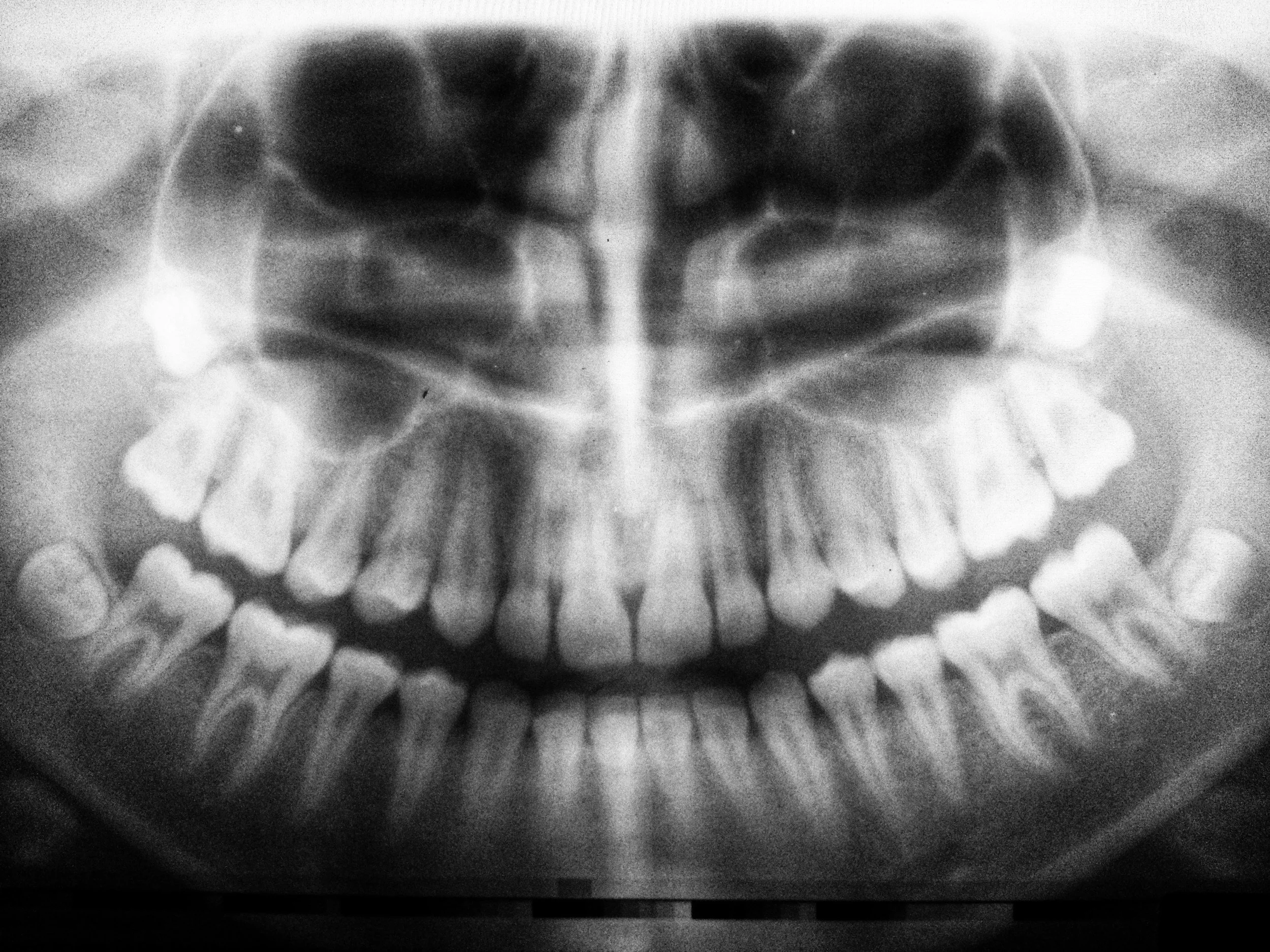
Tooth extraction is a common dental procedure used to remove a tooth that is damaged, decayed, infected, or causing crowding. Our goal is always to preserve your natural teeth whenever possible—but when removal is the best option for your health, we make the process as gentle and comfortable as we can.
When Is a Tooth Extraction Needed?
An extraction may be recommended if a tooth is severely decayed
Fractured beyond repair
Affected by advanced gum disease, or
Interfering with the alignment of other teeth. In some cases, extractions are also performed to prepare for orthodontic treatment.
What to Expect During an Extraction
Before the procedure, the area is carefully numbed using local anesthesia.
Sedation options may also be available to help you feel relaxed.
Once you are comfortable, the tooth is gently loosened and removed.
For more complex cases, such as impacted teeth, a small incision may be made to safely access and remove the tooth.
After the extraction, we provide detailed aftercare instructions to promote healing and reduce the risk of complications.
Most patients recover within a few days.
Wisdom Teeth Removal
Wisdom teeth—also known as third molars—are the last set of teeth to develop, usually appearing in the late teens or early twenties. While some people have no issues, wisdom teeth often become impacted (trapped beneath the gums) or grow in at an angle, leading to pain, swelling, infection, or crowding of nearby teeth.
Why Remove Wisdom Teeth?
Removal is often recommended if there is not enough space for the teeth to come in properly, or if they pose a risk to your oral health.
Early evaluation allows us to address potential problems before they become more serious.
What Happens During the Procedure?
Wisdom teeth removal is performed with your comfort in mind.
Depending on your needs, local anesthesia, sedation, or general anesthesia may be used.
The dentist or oral surgeon will carefully remove the teeth—sometimes in sections—to minimize impact on surrounding tissue.
Recovery & Aftercare
Mild swelling, discomfort, and limited jaw movement are normal for a few days after surgery.
Applying cold compresses, following a soft-food diet, and keeping the area clean will support healing.
Most patients return to normal activities within a few days, with complete healing over the following weeks.